Bunions are a type of foot deformity where the big toe seems to lean over to the other toes as if sharing a joke. Typically, a lump will develop on the side of the big toe, causing pain and discomfort (see symptoms). Bunions are ugly as well, and that can affect your freedom to walk barefoot in public. It can mean the end of barefoot beach volleyball.
The skin on the lump can become inflamed, reddened, and blistered, further affecting the quality of life – the constant pain can make an efficient movement, such a hard task. Bunions are not fun to have and can affect your profession as well as overall life. The following are straightforward treatment suggestions that you can use to reduce bunions and reclaim the spark that the deformity has taken from your life.
Some of the Causes of Bunions
One of the most common causes of bunions is aging. As people get older, the joints become unresponsive, failing to react to pressure from the shoes. Bunions can also be as a result of poor diet or illness. The lump characterizing bunions are salt dregs caused by tonsillitis, gout, rheumatism, influenza and poor nutrition.
You can also inherit the vulnerability to bunions from your parents. Yes, your parents and others before them may have a characteristic weak foot structure that they pass down to you. And because women have a weaker foot structure than men, they are more likely to develop bunions than their opposite gender counterparts.
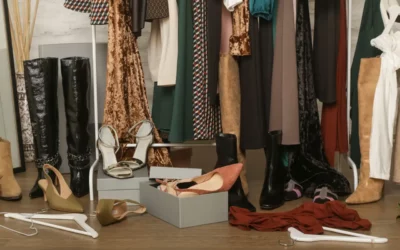
Women are also more likely to wear footwear such as high heels which decompress their feet, causing bunions.
Here are some tips to deal with Bunions:
- Wear Comfortable Footwear
Those predisposed to a weak foot structure can reduce risks of developing bunions or aggravating the situation by wearing fitting and comfortable shoes. Women should ditch the high heeled shoes as they exacerbate the condition. Choose soft leather or other breathable material to enhance feet comfort and help in the healing process.
- Foot Braces
This helps mold the deformed feet back to their original shape, the ideal shape. A quality foot brace will reduce pain and remove any deformity efficiently and effectively. You can wear foot braces during your free time such as after work or the weekends.
- Salt
Plain salt is an effective skin remedy as it has antiseptic and anti-inflammatory properties. Salt can reduce those awful itches, aches, and pains, as well as moisturize the skin.
Sprinkle ten grams of salt in a liter of warm water and soak your feet for thirty minutes. Dry with a towel and repeat at least once per day.
- Laurel Leaves
Laurel leaves have anti-inflammatory, analgesic and anti-oxidant properties – they are the perfect medicinal herbs. The essential oils from the plant are profoundly relaxing to minimize the salt deposits in your joint and big toe.
Pick about four leaves and dry them for a few days. Grind them into powder and cover the bunion area with it for about two hours. Rinse with water. Repeat the application two times a day, and the bunion will silently go out of sight.
- Lemon Solution
What makes lemon so useful in bunion treatment is that it contains essential minerals that your body needs to heal, such as antioxidants, vitamin C, calcium, potassium and Vitamin B.
Mix a tablespoon of lemon oil with olive oil and two cups of brown sugar. Soak your feet in the water. Rub the mixture on the joint and leave it for twenty minutes to work its magic. Rinse with clean water and dry with a clean towel.
- Cold Application
Colds are the easiest and among the most effective remedies for inflammation. The joint and swelling can have a fluid that causes pressure and pain. Colds acts to inhibit the transfer of information to the brain, relieving pain as a result. Ice removes any swelling and numbness, thereby making it better to deal with the bunion.
For the cold application, position your foot higher than your heart to aid in blood circulation. Cover the ice with a piece of clothing or cotton wool before placing it on the joint. The ice should never be in direct contact with the skin to avoid the stinging sensation and further discomfort.