Aging is unavoidable, and we all want to go through it as slowly as possible. Most of us desire to age gracefully. However, as we grow older, it becomes challenging to achieve this desire. Even those who feel healthy and energetic may appear old and tired. According to Dr. Dennis Schimpf, the author of “Finding Beauty: Think, See, And Feel Beautiful” and the founder of Sweetgrass Plastic Surgery, people between the ages of 45 and 65 notice changes in their skin when they look at themselves in the mirror. Although healthy living can make them feel great, the years can affect their appearance. Fortunately, there are minimally invasive ways to stave off some of the effects of aging. Here are five ways, according to Schimpf, to turn back the clock:
1. Skincare products:
To reverse the signs of aging on your face, it’s essential to start with high-quality skincare products. A good defense against the harmful rays of the sun, which can significantly age the skin, is to use sunblock. Establishing a foundation of good skin care is essential before investing in any other treatments. This is because having healthy skin can optimize the outcomes of any procedure.
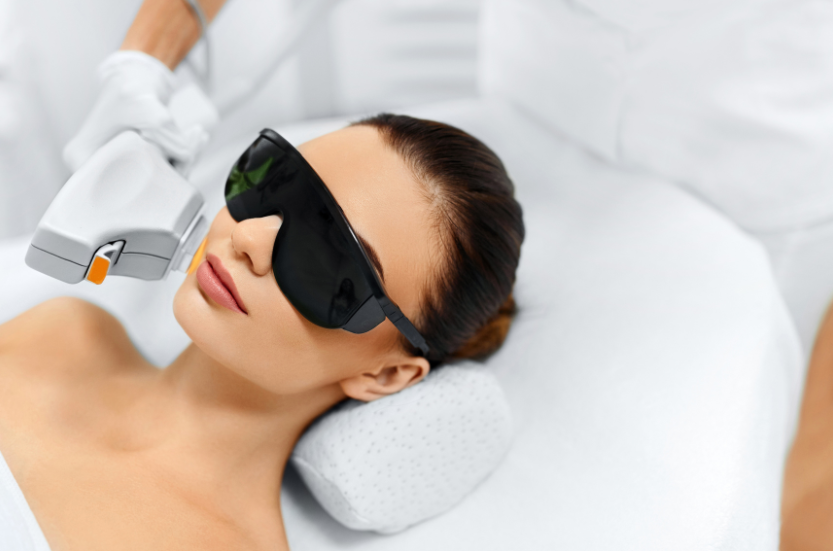
2. Lasering:
This treatment utilizes fractional technology to make micro holes in the skin, which reduces pore sizes and allows new skin growth. This aggressive treatment offers mild to moderate wrinkle improvements and tightens the skin. It’s similar to lawn aerating, where holes are punched in the grass to promote healthier growth.
3. Dermabrasion, microdermabrasion, and skin peels:
Different types of skin treatments are available to improve the texture and tone of the skin. Dermabrasion is a surgical procedure that involves scraping off the upper layers of skin to reveal the younger and smoother skin underneath. Microdermabrasion is a less invasive method that uses tiny crystals to exfoliate the uppermost layer of skin. Skin peels use a solution to dissolve and remove the damaged outer layer of skin, revealing fresh and rejuvenated skin.
4. Fillers:
There are many fillers available on the market that can help with soft-tissue changes. However, the three most commonly used ones are hyaluronic acid, calcium hydroxyapatite-based fillers, and autologous fat transfer. The latter involves using the patient’s fat, which is then injected into the facial tissues to reduce wrinkles on the forehead and plump up the lips.
5. Fat grafting:
This is a minimally invasive procedure but usually more expensive upfront. Fat grafting technology has improved, but roughly half of the patients require two fat grafting sessions to get the graft to take because the procedure doesn’t just inject a large clump of fat. The fat tissue being transferred must be in touch with surrounding tissue that contains blood vessels. Otherwise, the clump of fat doesn’t survive.
“It happens to many people – they look in the mirror and don’t really like what they see,” Schimpf says. “But there are good, affordable options that have little or no downtime and counter some of the effects of aging.”
Dennis Schimpf is a board-certified plastic surgeon and a member of the American Society of Aesthetic Plastic Surgery (ASAPS) and the American Society of Plastic Surgery (ASPS).