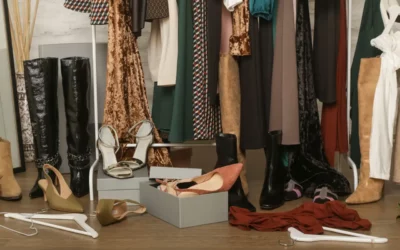
“Exploring the potential evolution of the retail industry.”
The retail industry is constantly evolving, and with the rise of e-commerce and the changing habits of consumers, it’s vital to stay ahead of the curve. In this post, we’ll explore what the future of retail might look like and what retailers can do to adapt.
Personalization
In retail, personalization has emerged as a significant trend in recent years. Nowadays, consumers expect products and experiences tailored to their needs and preferences. Retailers must offer their customers a personalized shopping experience to stay ahead of the competition. Achieving this goal requires using cutting-edge technologies such as data analysis, artificial intelligence, and machine learning. By leveraging these tools, retailers can gain valuable insights into their customers’ behaviors, preferences, and purchasing habits. This data can create targeted marketing campaigns and personalized product recommendations to meet each customer’s unique needs. Ultimately, retailers providing a truly personalized shopping experience will be better positioned to attract and retain customers in today’s highly competitive marketplace.
Augmented reality
In recent years, retailers have been leveraging Augmented Reality (AR) technology to provide customers with a more immersive and engaging shopping experience. AR technology allows customers to view products in their surroundings using smartphones or tablets. It gives them an accurate representation of how the product will look in their homes. This not only helps customers make more informed purchase decisions but also reduces the likelihood of returns, leading to a more efficient and cost-effective retail process
.By using AR technology, retailers can also offer customers an interactive experience where they can explore products, access detailed information, and customize their selections. This fosters a more profound sense of engagement and involvement with the products, which can lead to increased customer loyalty and advocacy.
As AR technology continues to evolve and become more sophisticated, we can expect to see it used innovatively to enhance the shopping experience even further. For instance, retailers may use AR technology to create virtual storefronts, which can be accessed from anywhere, allowing customers to browse and purchase products conveniently. The potential applications of AR technology in the retail industry are vast and exciting, and we can look forward to a future where shopping is more interactive, immersive, and enjoyable than ever before.
Sustainability
Consumers have become more environmentally conscious, and this shift in consumer behavior has led retailers to adopt more sustainable practices. One of the ways retailers are adapting to changing consumer preferences is by offering sustainable and eco-friendly products. These products are gaining popularity among customers looking for alternatives to traditional products that are harmful to the environment.
By providing sustainable products, retailers can gain a competitive advantage. Customers are becoming more aware of the impact of their purchases on the environment, and they are more likely to choose retailers that offer eco-friendly options. For instance, a retailer that provides reusable bags, refillable water bottles, and sustainable clothing will appeal to customers who want to reduce their carbon footprint.
Retailers can also implement sustainable practices to reduce their environmental impact further. For example, they can reduce waste by using recyclable materials and encourage customers to recycle by providing recycling bins in stores. They can also reduce energy consumption by using LED lighting and implementing energy-efficient equipment. Retailers who prioritize sustainable practices and offer eco-friendly products will be better positioned to meet the demands of the growing environmentally conscious consumer base. By adopting these practices, retailers can appeal to customers who prioritize the environment and contribute to a more sustainable future for all.
Convenience
Consumers’ lives are becoming busier and more time-constrained in today’s fast-paced world. As a result, convenience has become a critical factor in the purchasing decision-making process. Retailers that can offer fast and easy shopping experiences have a competitive edge over those that cannot.
To meet this demand, retailers are adopting various initiatives that cater to the consumer’s need for convenience. For instance, buy online, pick up in-store (BOPIS) allows customers to place orders online and collect them at the store, saving them the time and effort of searching for the products in-store.
Curbside pickup is another initiative that allows customers to order online and pick up their products from a designated parking area without leaving their cars. Additionally, same-day delivery service ensures that customers receive their orders promptly, satisfying their immediate needs. Such initiatives have proven to be game-changers in the retail industry, providing customers a hassle-free shopping experience and increasing retailers’ sales revenue.
Social commerce
Social media is becoming an increasingly important channel for retailers. However, social commerce allows retailers to sell products directly through social media platforms like Instagram and Facebook. This will enable retailers to reach customers more naturally and organically and can help increase brand awareness and loyalty.
In conclusion, the future of retail is exciting and full of possibilities. By embracing trends such as personalization, augmented reality, sustainability, convenience, and social commerce, retailers can stay ahead of the curve and provide customers with the shopping experiences they crave.