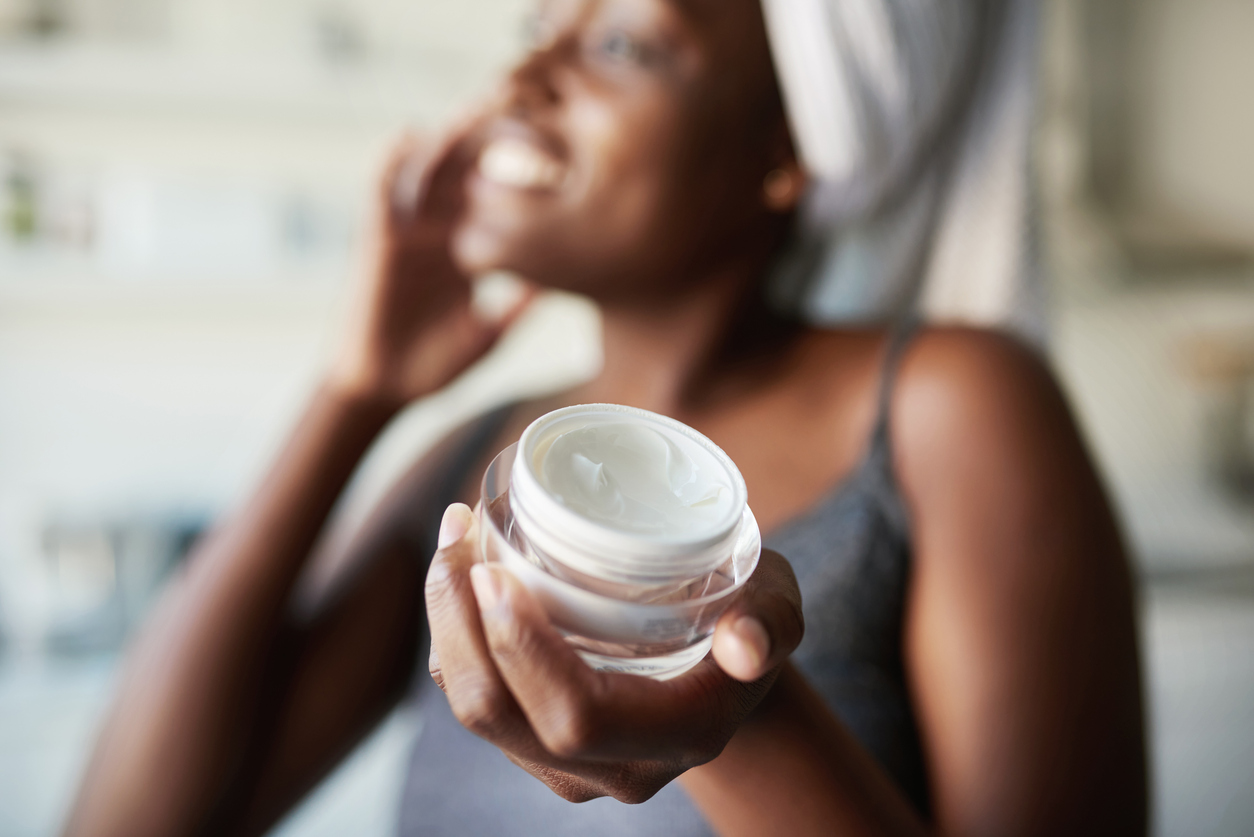
Anti-Aging Products and Ingredients: Don’t get creamed by false hope in a jar.
Separating the skin-care heroes from the zeroes
Here’s what is certain
There are no firming or tightening products whose results can duplicate what you derive from in-office procedures. Such as dermal fillers, Botox, lasers, or cosmetic surgery. Board- Certified Denver plastic surgeon Manish Shah says, “There are anti-aging products or ingredients that perform significantly better than others and can make a profound difference in the skin’s appearance. While others are simply “false hope in a jar.”
Why don’t most products work the way they claim?
Almost without exception, when you buy a product claiming to tighten skin, its effects, if any, are due to ingredients such as film-forming agents. As the name states, film-forming agents form a film on the skin, which can make the skin “feel” tighter. The effect is temporary, and you won’t see noticeable lifting of sagging skin, but the sensation is often enough to convince women that the product is working. Dr. Shah stresses that “Skin “feeling” tighter is not the same as making a real change for the better in the tone or laxity of your skin. Using what works will get you closer to the desired results.”
THE HEROES
Dr. Shah says, “Sunscreen SPF 30 or above is the best anti-aging cream you can use. It prevents skin cancer as well as UVA rays that cause loss of collagen and wrinkles in the skin. Reapply every 2 hours, use a powder sunblock and carry in your bag for quick and easy sunscreen touchups. My favorite powder sunblock is Colorescience, and my favorite base sunscreens have titanium or zinc oxide in them as active ingredients.”
Retinoids
Work great to reduce fine lines and wrinkles and help boost collagen production,” says Dr. Shah.” He adds, “Over-the-counter retinol is good, Neutrogena makes a good one or prescriptions such as Retin- A.”
Glycolic acid
It also reduces fine lines and wrinkles and helps fade pigmentary damage from the sun. “I often have patients alternate nights with retinoid and glycolic,” says Dr. Shah.
Vitamin C
It is a great antioxidant that reduces free radical damage, is excellent for anti-aging, and helps brighten the skin. Dr. Shah recommends it in the morning, under sunblock, or at night if patients are too sensitive to tolerate retinoids and glycolic acid.
Ceramides
Are a type of lipid found in the membrane of cells. Dr. Shah states, “They help hold skin cells together, forming a protective layer that plumps the skin and retains moisture. Ceramide levels decrease as we age, leading to loss of hydration, less skin turnover, and dryer, more damaged skin. Replenishing the skin’s ceramide levels will help restore moisture and fortify the skin’s natural barrier, helping skin look and feel younger.” So use a ceramide-containing moisturizer for your whole body daily.
Hydroquinone works
To even out sun spots, imperfections, and mottled skin. A little hydroquinone goes a long way. “It’s the most effective ingredient for bleaching skin,” says Dr. Shah. Hydroquinone fades hyperpigmentation by blocking the enzyme that triggers melanin production in the skin.
Green Tea Extract
It has nutrients called polyphenols, which are known to fight free radicals. It is a fantastic antioxidant. Studies have found that ingredients in green tea can reduce sun damage and will protect against skin cancer when applied topically. Dr. Shah offers, “Using green tea extract under sunscreen can provide an extra dose of protection. Polyphenols in creams and lotions may help slow signs of aging, reduce sagging skin and decrease wrinkles.”
THE ZEROES
Most anti-aging creams come in moisturizers such as mineral oil. Wrinkles look worse when they are dry, so any moisturizer helps. Still, it’s only temporary and doesn’t address the root cause of the wrinkles, such as collagen loss, free radical damage, sun damage, and environmental factors. Don’t be fooled by the anti-aging labels. Unless there is an actual “active ingredient” such as retinol, the benefit is just moisture but nothing else.
B Vitamins
Many forms of vitamin B (like B12) can only be absorbed in the small intestine, so no matter how much is in your moisturizer or serum, it will not make a difference. “Vitamins like niacin can have an effect on the skin’s texture and color, but your skin can’t absorb them,” Dr. Shah explains. If you want to tap into the power of vitamin B to improve your skin’s glow and appearance, stick to eating leafy greens like spinach, asparagus, beans, and peas.
Caffeine.
Like a Starbucks Latte for your brain, caffeine in skin creams can also boost your skin until it wears off. “Caffeine can temporarily reduce puffiness, especially around your eyes,” explains Dr. Shah. “But don’t expect permanent results.”
Botanical extracts
Are the ingredients extracted from plants (flowers, roots, stems, trees, etc.) for skin care, from healing blemishes to reducing fine wrinkles? They have been used for centuries and have anecdotal purposes in many cultures. The issue: Botanical extracts need to remain on your skin to work. Dr. Shah explains, “In cleansers, there is simply not enough contact time on your skin for any true anti-aging benefit. Another issue is that most botanical extracts are water-soluble, which means that the moment you wet your skin and begin to wash your face, they’re watered down and rendered useless.”
Collagen and Elastin in Anti-Wrinkle Products.
Collagen and elastin in skin-care products can serve as good water-binding agents, but they cannot fuse with your skin’s natural supply of these supportive elements. In most cases, the collagen molecule is too large to penetrate the skin. But even when it is small enough to be absorbed, it cannot bind with the collagen in the skin, and no research indicates otherwise.
About Dr. Manish Shah
Plastic Surgeon Colorado | Dr. Manish Shah, M.D. | Denver https://drmanishshah.com/
Manish Shah, M.D., F.A.C.S. is board-certified by the American Board of Plastic Surgery and a member of the American Society of Plastic Surgeons, the American Society of Aesthetic Plastic Surgery, and the International Society of Aesthetic Plastic Surgery. After completing his formal plastic surgery training in Plastic and Reconstructive Surgery at the Univ. of Tennessee College of Medicine, he moved to New York City. And is a nominee for the prestigious Aesthetic Surgery Fellowship at Manhattan Eye, Ear, and Throat Hospital. He underwent extensive, advanced training in aesthetic surgery of the face, breasts, and body at the hands of some of the most renowned cosmetic surgeons in the world. Dr. Shah is one of only a select few plastic surgeons in the country who has undergone formal post-graduate training in aesthetic surgery.
Dr. Shah’s specialties include revision facial aesthetic surgery, rhinoplasty (“nose reshaping”), and aesthetic surgery of the breast (breast augmentation, breast lift, breast reduction). He is, however, well-trained in all areas of aesthetic surgery. Dr. Shah aims to obtain a natural-appearing transformation that complements the real you!