The Business Case for Diversity in the Fashion Industry
As a society, we still struggle with diversity and equality, sometimes only paying attention to these issues when they affect us personally. Fashion is a passion of mine, and I believe promoting equality should be a global goal. Therefore, this article will provide insight into the importance of diversity in the fashion industry.
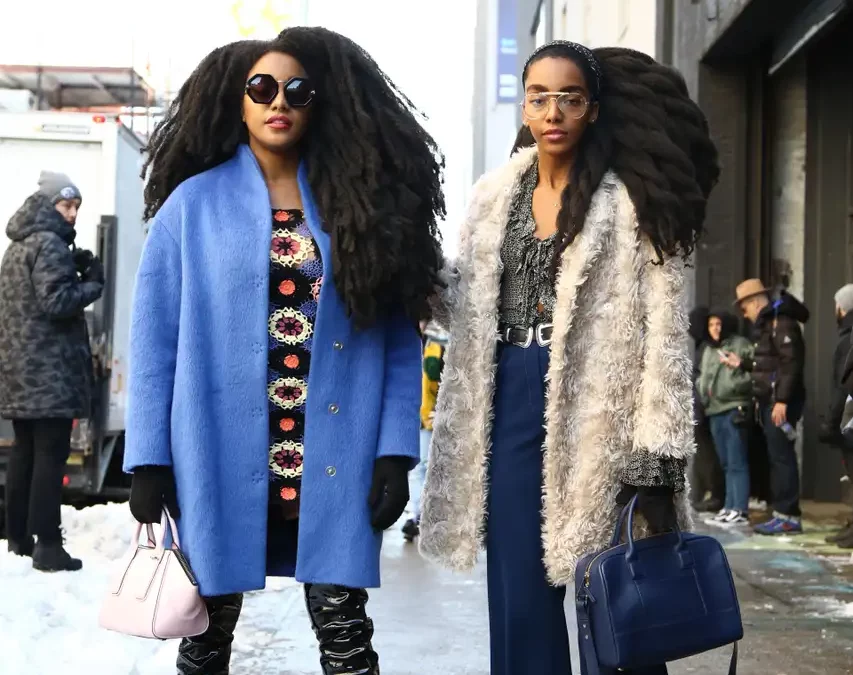
To prioritize diversity and inclusivity in the fashion industry, featuring a comprehensive range of people in shows and advertising campaigns is crucial. Unfortunately, these platforms often solely showcase Eurocentric beauty, which excludes people of color, plus-size individuals, those who identify as LGBTQ, and those with disabilities. By including more options, the industry can better reflect real-world diversity and improve its moral and business standing.
Furthermore, one of the key arguments favoring diversity in the fashion industry is that it makes good business sense. As noted in a 2019 report by McKinsey & Company, companies with more diverse workforces tend to outperform their less diverse counterparts. This is because various teams bring a more comprehensive range of perspectives and experiences, resulting in more innovative ideas and better decision-making.
Having diversity as a priority in the fashion industry can lead to products and marketing campaigns that better connect with a broader range of consumers. Brands that showcase models of various sizes and skin tones in their advertising are more likely to attract a diverse customer base than those that only feature one model type. By including diverse perspectives, there is inclusivity.
Diversity in the Fashion Industry
Fashion companies should prioritize diversity to prevent PR disasters. In the past, insensitive or offensive marketing campaigns by brands such as H&M and Gucci have caused a backlash, leading to lost sales and damaging their reputation. By prioritizing inclusivity, companies can avoid missteps and build stronger customer relationships.
It’s no secret that achieving diversity in the fashion industry is challenging. To attain true inclusivity, the models on the runway and the individuals working behind the scenes must try it. However, there are actionable steps companies can take to move in the right direction. Prioritizing diverse hiring and promotions, collaborating with diversity-focused organizations, and seeking feedback from stakeholders can all aid in promoting diversity and inclusion.
To sum up, it’s clear that diversity is crucial in the fashion industry. Companies prioritizing inclusivity can develop innovative products, avoid negative publicity, and form stronger customer bonds. Although there’s still much progress, the industry is gradually heading in the right direction.