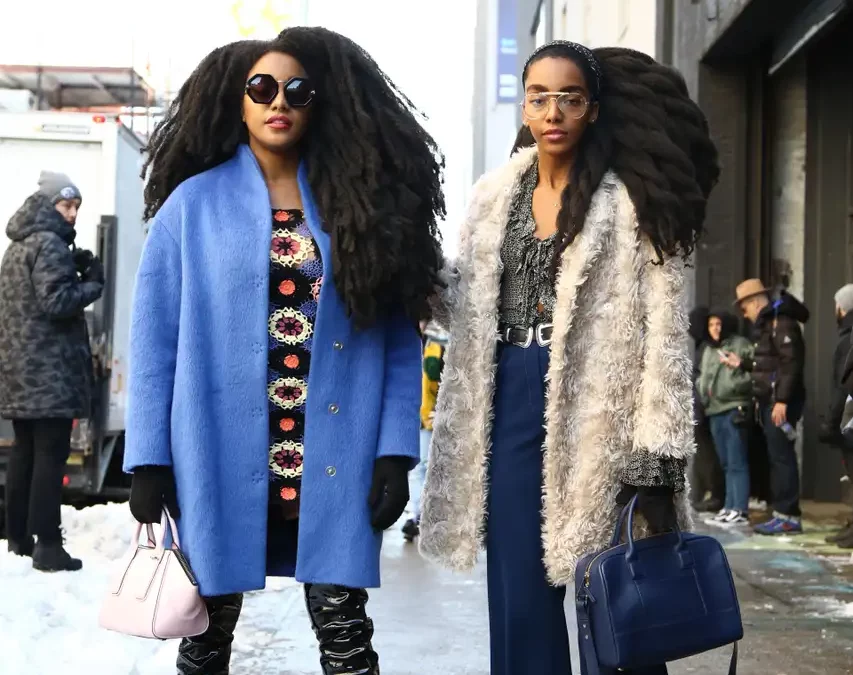
Fashion experts advise on must-haves – and must-nots – for switching up your style for the new season.
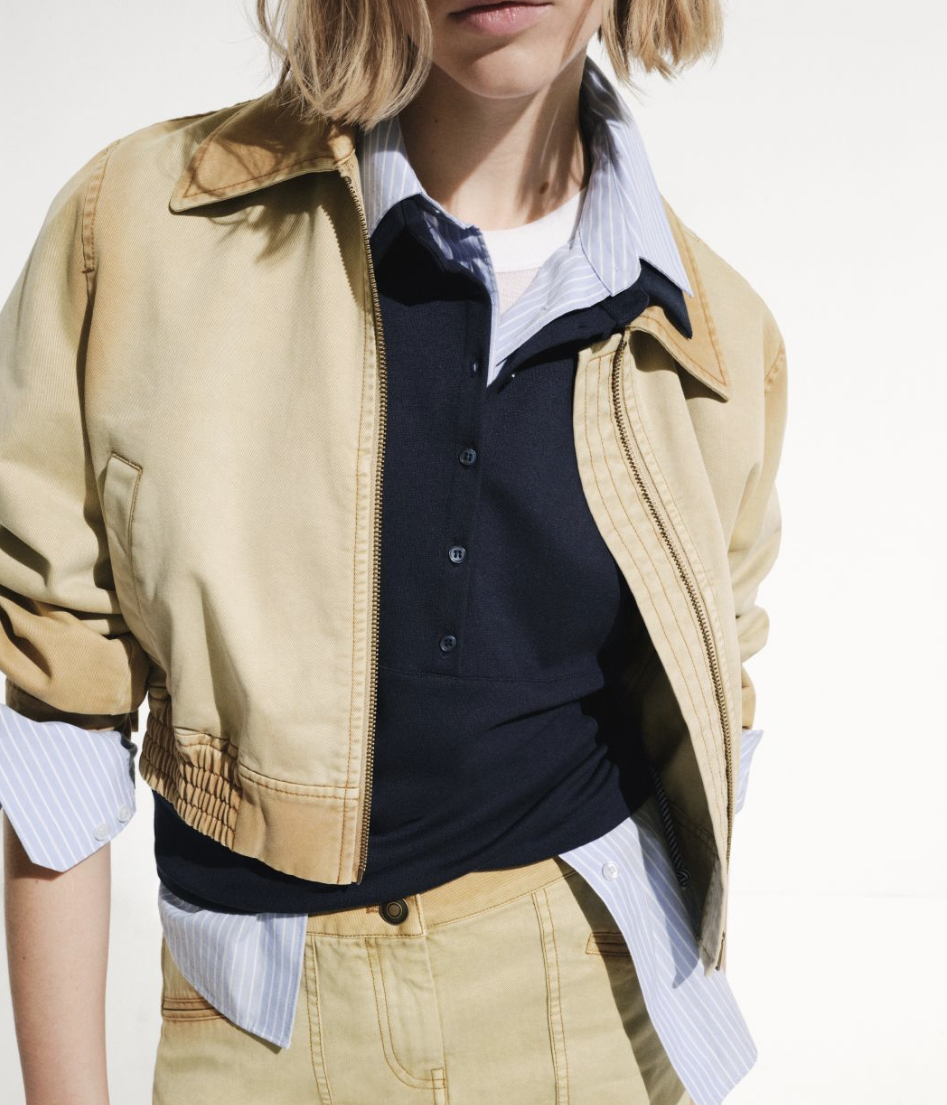
Due to temperamental weather, knowing what outfit to wear during springtime can be challenging. Sometimes, it’s mild, and the sun can fool you into thinking summer has arrived early. Other times, the rain is torrential, and it feels like we’re still in the depths of winter.
Luckily, FashionEdits experts can advise on the must-haves and must–nots for transitioning your winter wardrobe into Spring.
So, if you want to refresh your style in time for the new season, here are some simple ways to do so…
Buy Staple Items

Sonny Grant-O’Sullivan, master tailor and founder of Grant & O’Sullivan, advises that investing in flexible staple pieces is “paramount” during Spring.
“Lightweight jackets, such as trench coats or waterproof Macs, become indispensable, allowing for easy adaptation to both cooler mornings and warmer afternoons. Similarly, incorporating layers can effortlessly bridge the gap between seasons. He suggests considering fine knits or cardigans that can provide warmth without adding bulk when worn over spring dresses or shirts.
Jane Haigh, the head of design at Freeman’s, recommends creating a “capsule” wardrobe. To create multiple outfits, you can put together a collection of clothing items that you can mix and match. An essential staple is a great-fitting pair of jeans.
“To avoid over-consumption of trends, having a classic spring capsule wardrobe is your best bet,” says Tanya Mulesa. Invest in staples like good denim, quality basics, and versatile outerwear. For one-off, bold pieces, I rent.”
“We offer rentals via Cercle on the CICON app, and they have an amazing curated collection of special pieces to add to your capsule wardrobe.”
Meanwhile, Vendula style expert Amy Smith has some must-haves for Spring, including trainers, which are much lighter than chunky winter boots, cardigans that can be layered under jackets to provide extra warmth, and denim jackets, lighter than coats.
Stack up your layers.

Smith says layers are often crucial when transitioning a wardrobe, but be careful not to wear layers that feel too heavy or chunky. Lighter jumpers and cardigans can be paired with maxi or midi skirts for an outfit combination.
“You can also layer with lightweight items, as these can be removed when the temperature gradually increases towards the afternoon. Additionally, instead of wearing a heavy coat, layer a short-sleeved top under a light cardigan, and then wear a lighter coat on top of this,” says Smith.
A trench coat is an absolute must-have for Spring’s temperamental weather. “They come back into style every season and are light enough to chuck over anything and keep you that bit warmer—I always pair mine with denim and ballet flats,” she says.
Opt for lighter footwear.
As the temperatures rise, it’s time to put away your winter boots to make way for lighter options.
Footwear plays a crucial role in the winter-to-spring transition, according to Grant-O’Sullivan.
“Switch to lighter footwear like loafers, flats, or stylish sneakers to update your spring outfit instantly.”
Smith says specific footwear from your winter wardrobe will work for Spring, too. Ankle boots are a great addition if you don’t like wearing trainers, as they will work well with spring outfits.
“She adds that you can wear them with skirts or dresses for a more grungy look.”
Neutrals are your best friend.
Neutral colors are great for transitioning wardrobes, says Smith. They look good with many other colors, so you can mix and match pieces.
She advises incorporating lighter or more pastel colors, such as pinks, lilacs, or light blues, into your outfits. Pair your tops with lighter jeans, wear white sneakers instead of dark boots, and brighten up your winter outfits.
“I always reach for the same trusty beige and grey pieces every year, as they are perfect for layering with brighter colours and go with everything,” Mulesa adds.
Steer clear of wool
As the temperature gradually warms, it becomes more important to consider the practical aspects of fabric choices.
Grant-O’Sullivan suggests picking materials that offer breathability and comfort, such as cotton, linen, and silk.
Smith agrees that changing heavier fabrics to something lighter is essential when transitioning your wardrobe.
“In winter, we often tend to wear heavier items, such as those made from wool. When the weather becomes warmer, wear lighter and breathable fabrics. Choose items that keep you warm but can also be removed if you get hot.