These are the signs experts want you to look out for.
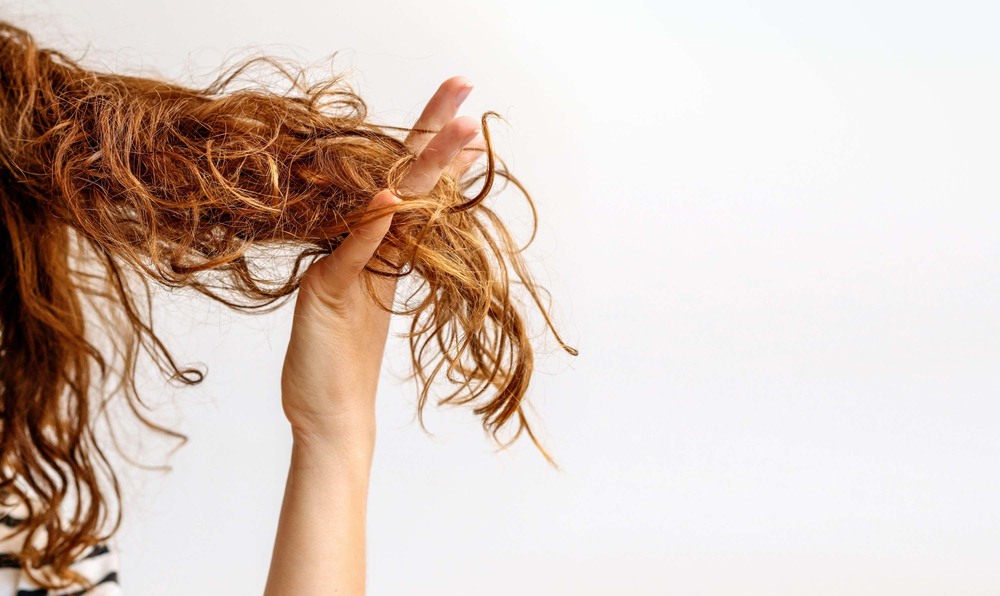
If you have noticed that your skin feels dehydrated or your hair looks more brittle and damaged than usual, hard water may have contributed to these issues.
Dermatologist Dr Yulia Krasnaya from Evolution Aesthetics Clinic explains that “hard water can leave several signs on your skin, indicating potential damage. One common sign is dryness or tightness after washing, as hard water can strip away natural oils, leaving the skin feeling parched.
“You may notice a dull or lacklustre complexion, as mineral deposits from hard water can build up on the skin’s surface, hindering its natural radiance.”
Hard water has a high mineral content that can negatively impact hair and skin. It is more dangerous for people with susceptible skin, as “hard water can exacerbate existing issues like irritation, itching, or redness,” says Krasnaya.

If you suspect you have hard water, consider changing your water filter and following some simple tips to help alleviate the symptoms.
But aside from your skin and hair, there is another way to tell if you have hard water in your home. “Ano” her indication is the presence of residue or soap scum, especially noticeable in areas like the sink or bathtub, which can signal hard watewater’sect on the skin and surfaces,” sa” s Krasnaya.
Although it is not hazardous for your health, “pro” onged exposure to hard water may also contribute to a compromised skin barrier, making it more susceptible to environmental stressors and moisture loss,” ex “lains Krasnaya. So, it pays to know how to deal with the fallout and make your hair and skin healthy again.
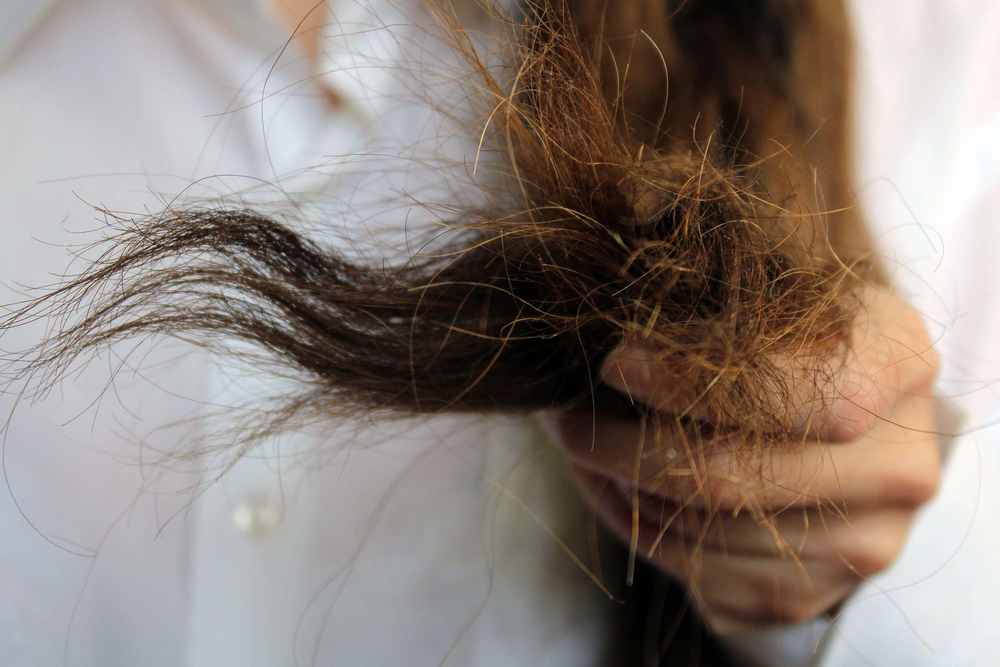
Anabel Kingsley, consultant trichologist and brand president at Philip Kingsley, says hard water minerals can accumulate on the hair shaft. Living in or traveling to a complex water area can affect how your hair looks, feels and behaves.
Furthermore, it’s important to note that hard water can adversely affect your hair. Experts say it can make your hair dry, frizzy, and lack shine. Additionally, it can reduce lather while shampooing. Moreover, if you have highlighted or bleached strands, hard water can even affect the color of your hair. If you have noticed any of these characteristics in your hair, hard water is likely the culprit.
If you have hair and skin issues, improve your health and combat the damage.
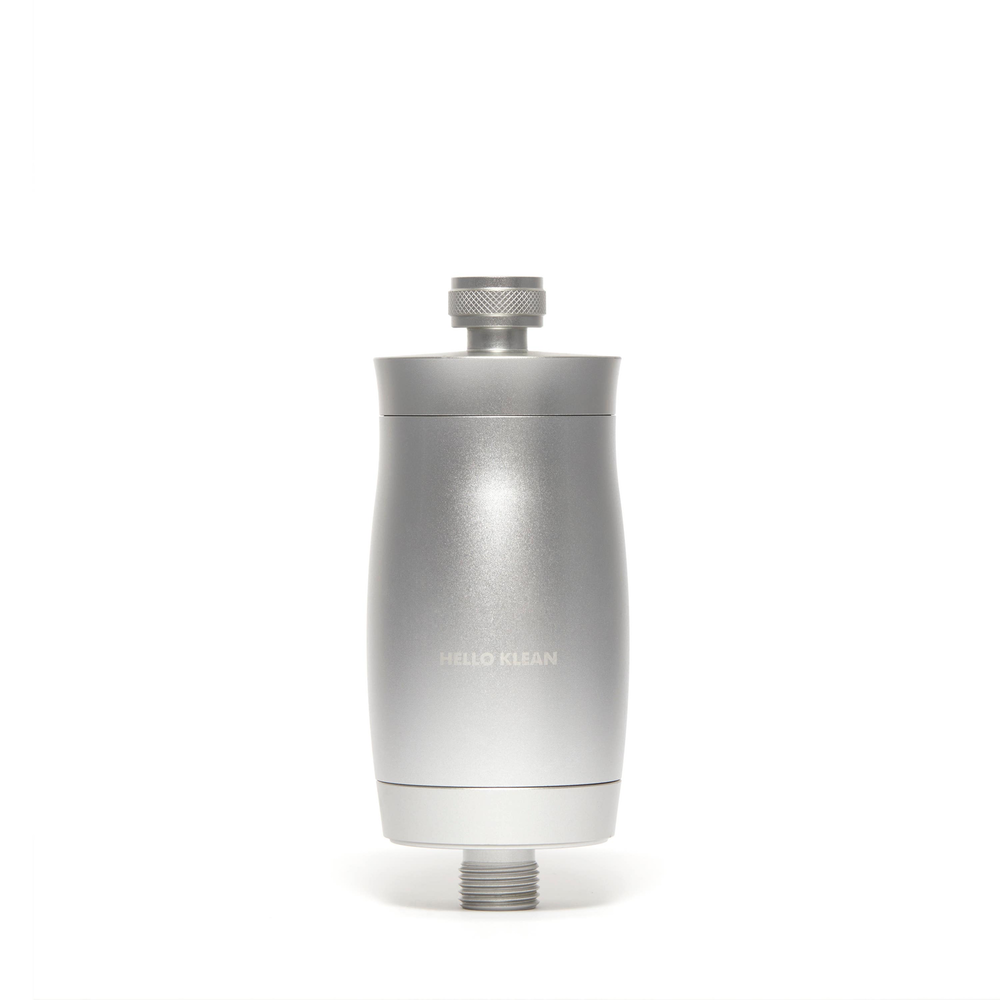
Install a shower filter.
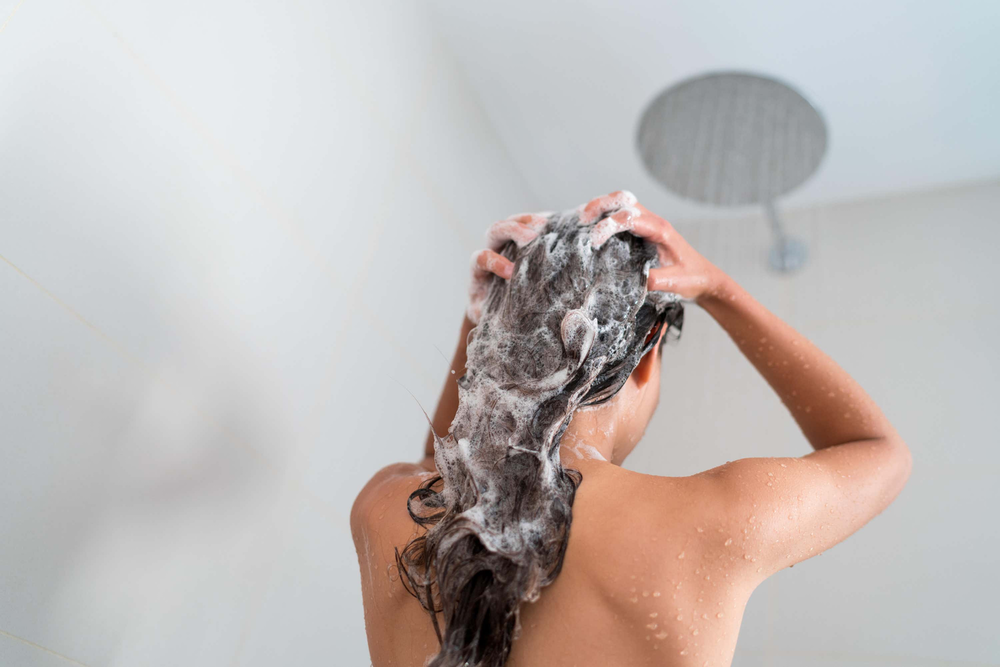
Installing a shower filter is one of the simplest ways to minimize hard water’s impact on hair and skin. Prevention is always preferable to a cure; the filter will help remove irritants from the water you shower with.
Kingsley recommends a shower filter if” your hair is dry, dull, less manageable, and lackluster when shampooing with hard water.” Rasnaya notes, “Corporating a water softener or installing a shower filter can significantly reduce the mineral content in hard water, making it gentler on the skin.”
“se a pre-shampoo conditioning treatment.
Kingsley also recommends using a conditioning treatment once or twice weekly. “T” plumps the hair shaft with moisture and seals the outer cuticle, creating shine and improving manageability.”
“se a gentle cleanser.
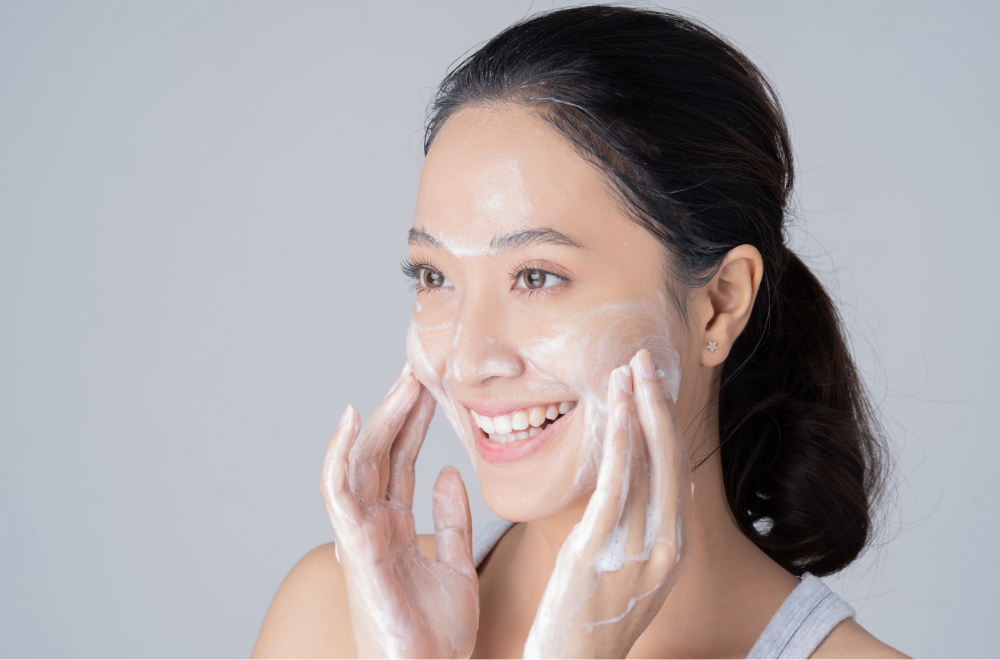
“U” in a gentle, pH-balanced cleanser can help minimize the stripping of natural oils while effectively removing impurities,” “says Krasnaya. Anything too harsh for your skin will only cause further irritation and discomfort and make the symptoms of hard water damage far worse.
Apply a smoothing oil or serum.
“T” combat frizz, apply a lightweight smoothing oil or serum before styling,” suggests Kingsley. Oils can protect from heat and reduce flyaways, so they are worth adding to your hair care routine, even without frizziness concerns.
Consider swapping your usual conditioner out for a richer one
If your hair needs moisture from hard water, use a heavy-duty conditioner. Towel dry hair after shampooing and apply conditioner to damp hair for best results.
Invest in hydrating skincare.
“H” rating skin care products can help combat dryness and sensitivity caused by hard water. These products contain ingredients like hyaluronic acid, ceramides, or niacinamide. They replenish moisture and strengthen the skin barrier,” “says Krasnaya.
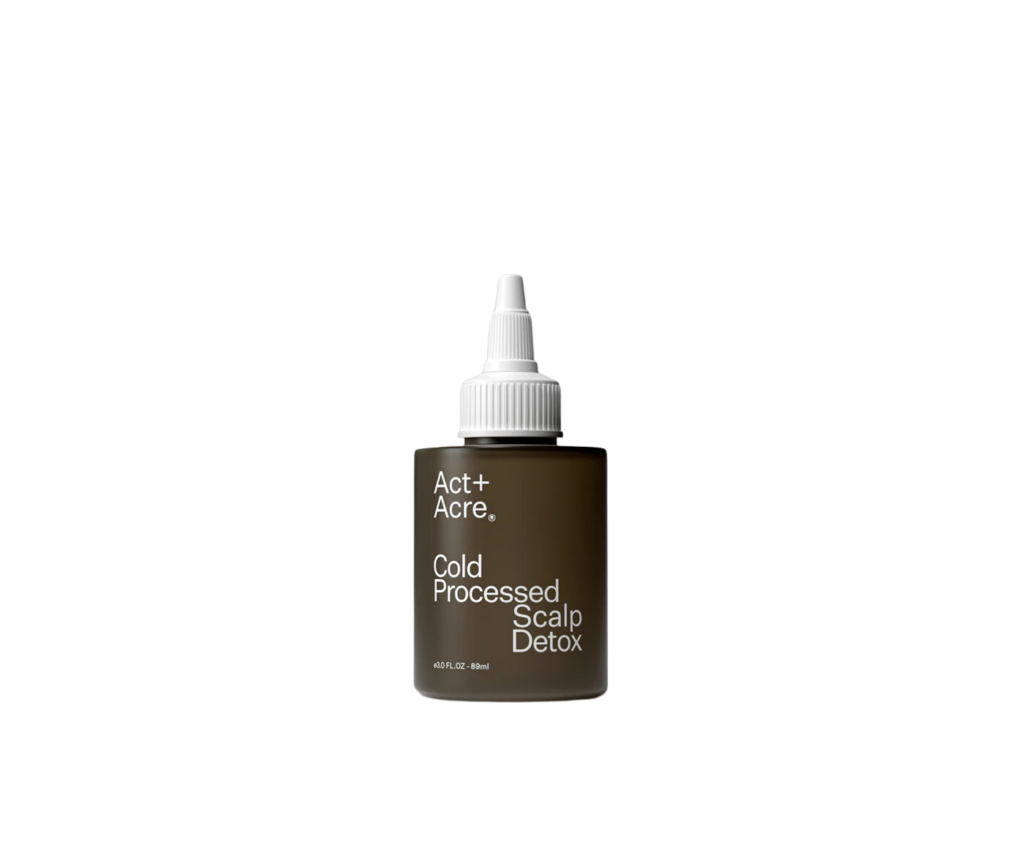
Use a detoxifying hair and scalp treatment.
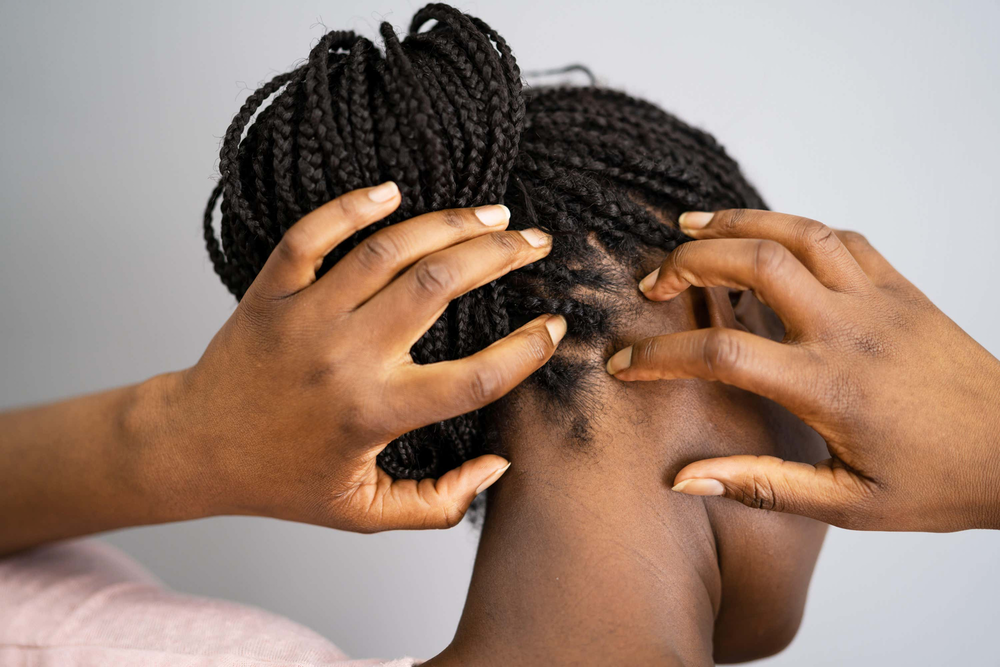
“I love our Vitamin C Jelly, which removes hard water mineral deposits on your hair,” says Kingsley. If your hair needs some real TLC, this might be the most effective solution for you.
Before altering your entire haircare routine, it is essential first to determine what your hair type needs. “T” You also need to change your shampoo—stick to one formulated for your hair texture,” says Kingsley.
Eliminating hard water damage in hair and skin is tricky without relocating to a soft water area. Small changes in routine can help make symptoms manageable.
Five products to help with hard water damage
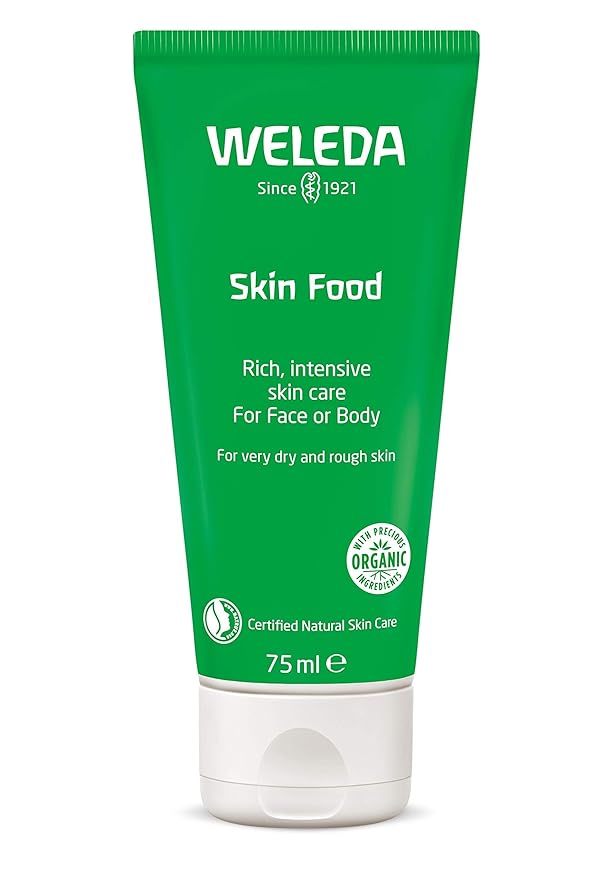
Weleda Skin Food,$19.00