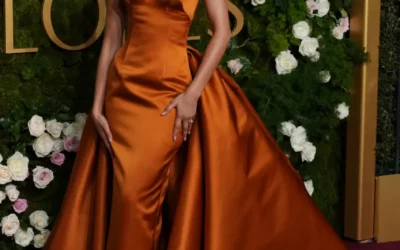
Fashion has always played a pivotal role in psychology. It’s rooted in our culture, used to symbolize loyalty and hate, and has sparked wars and revolutions more than once. From the Zoot Suit Riots of the 1940s to the “Sunday Best” strategy in the civil rights movement, fashion has always been bigger than clothing and accessories.
Jewelry and luxury brands have also come to represent status and exclusivity— but how? Here’s how luxury jewelry evolved over the centuries to become a celebrity status symbol.
Jewelry In the Beginning
Jewelry has existed in one form or another since the beginning of time. It should come as no surprise that the use of jewelry dates back to ancient Egypt and is also known as the purveyors of primordial makeup and wigs. It’s believed that in addition to marking status and royalty, early jewels (often seashells and precious metals) were religious, used as charms to protect the ancients from spirits and appeal to the Gods.
Ancient Egypt wasn’t the only part of the world in which jewelry and precious metals were used as status symbols. In the Mayan culture, people would drill holes into their teeth to fill them with gold and turquoise, highlighting their closeness to the Gods. While the initial gold teeth were a far cry from today’s Lil Wayne Grillz, there are parallels in the symbolism.
The Mayans and Aztecs wore headdresses featuring feathers, gold, and jewels. These would become the first crowns. The oldest crown was discovered in 1961 and dated back to the Copper age.
Jewelry Through Medieval Europe
Luxury jewelry as a status symbol took hold during medieval times. More structure and hierarchy were applied to what certain precious metals and jewels represented. The high royals would adorn themselves in pure gold and silver. Other highborn families may also have precious metals, but less so than the royals.
During this period, jewel processing also evolved, and classifications regarding quality began. While symbolism still played an integral role in jewelry as a status symbol, the rarer the metal or gem, the more desirable it became.
During this era, jewelry became a clear indicator of the divide between the haves and have-nots, not just among royalty but other wealthy families. Jewelers became a valued profession, despite being a trade.
Industry Innovators
Jewelry continued to evolve over the centuries. With the dawn of the industrial revolution, aspiring entrepreneurs found ways to mass produce and simulate quality jewels to appeal to the masses. This furthered the divide and created luxury jewelry as a standalone industry. Those who could afford high-quality, handcrafted pieces were the epitome of status and wealth.
Brands like Tiffany’s, Cartier, Bvlgari, and Rolex revolutionized not only luxury jewelry but also the marketing concept. Tiffany was the first brand to list and set its final prices, eliminating the acceptance of haggling in the luxury jewelry space. Cartier started taking inspiration from burgeoning art trends of the late 1800s to create a connection between art and jewelry design.
A century later, as celebrity culture took hold, these items remained symbols that set the new royals apart from the peasants: the celebrities and the fans.

Status Symbols in the New Millennium
Luxury accessories as status symbols continued into the early 2000s. However, mainstream media and the internet increased the influence of these celebrities. Brands like Rolex and Tiffany still significantly impact the red carpet, with new accessories like Prada sunglasses and Gucci belts expanding the previous definition of luxury jewelry.
Status symbols have evolved, and more celebrities are consciously trying to resonate with their fans and contribute to sustainable and ethical practices. Yet, there’s still a desire for many to obtain these materials and embrace that divide. When in doubt, turn on the Met Gala.