SAHEL AT THE MET SAHEL AT THE MET SAHEL AT THE MET 
SAHEL AT THE MET SAHEL AT THE MET
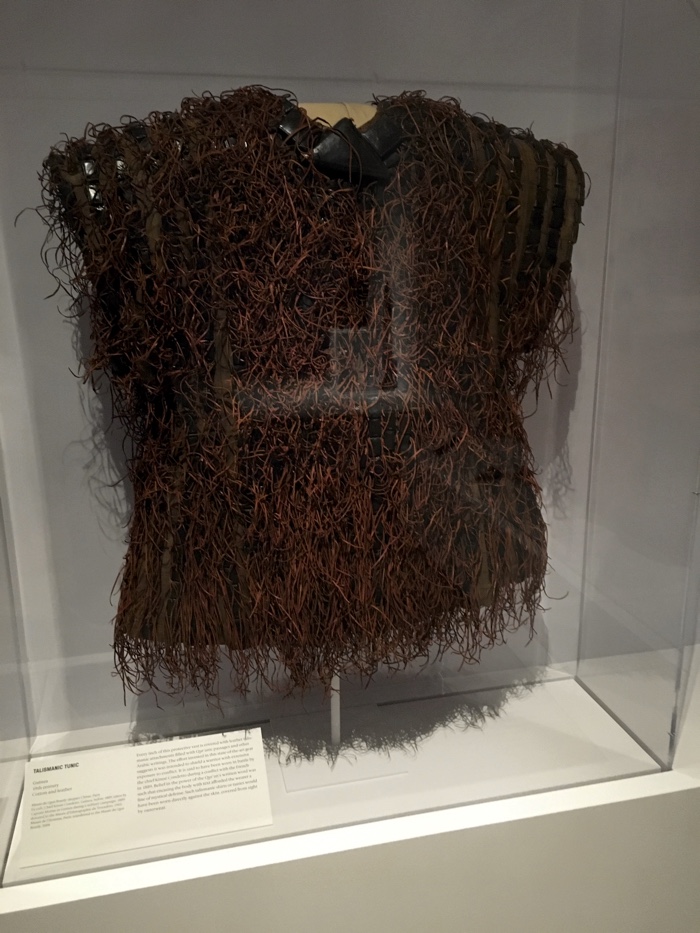
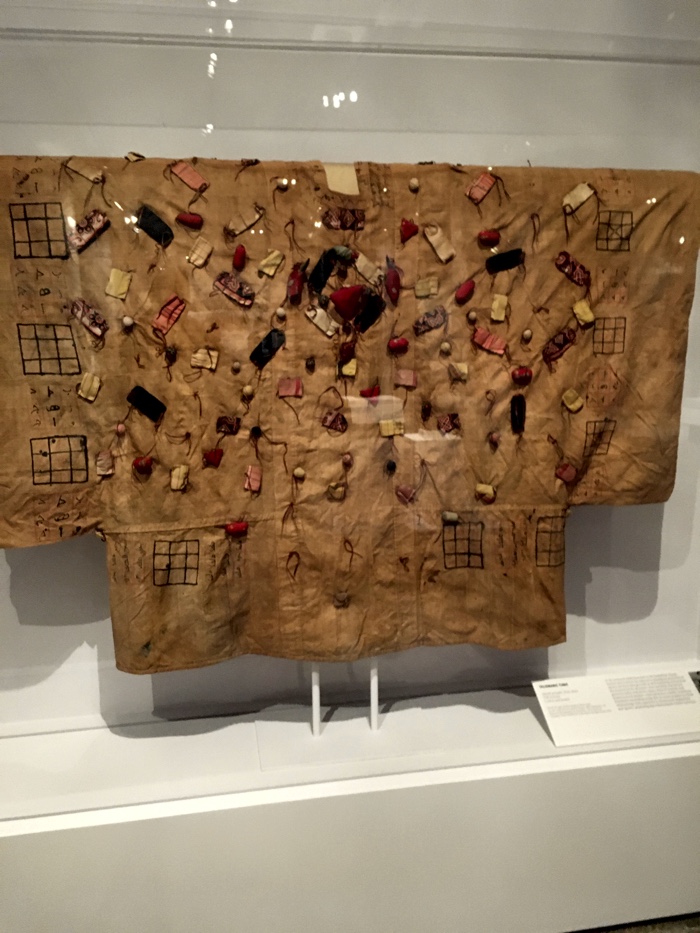
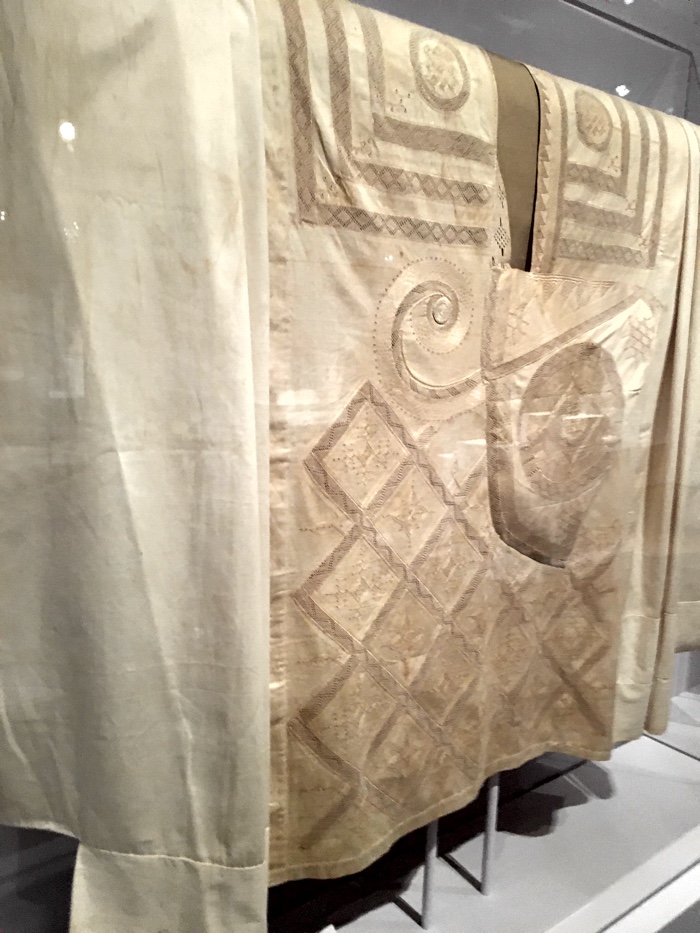
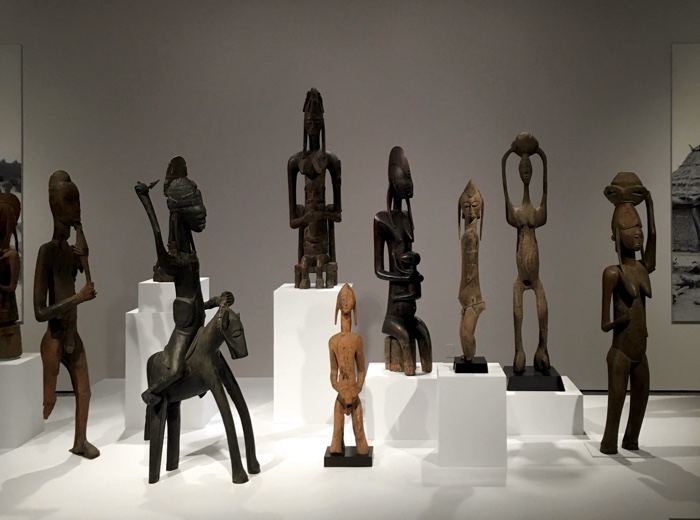
With Wangechi Mutu’s four imposing statues still looming on the facade entrance of MET on New York’s Fifth Avenue. The museum launched it’s newest exhibit – “SAHEL: ART AND EMPIRES ON THE SHORES OF THE SAHARA.” This large collection of art is a remarkable slice of African history, told through 200 works including spectacular sculptures in wood, stone, fired clay and bronze, gold and castmetal artifacs and illuminated manuscripts. Fashion lovers will love the exquisitely crafted woven and dyed textiles that make up the collection of authentic garments that are washed in history and traditions.
FASHION & DESIGN
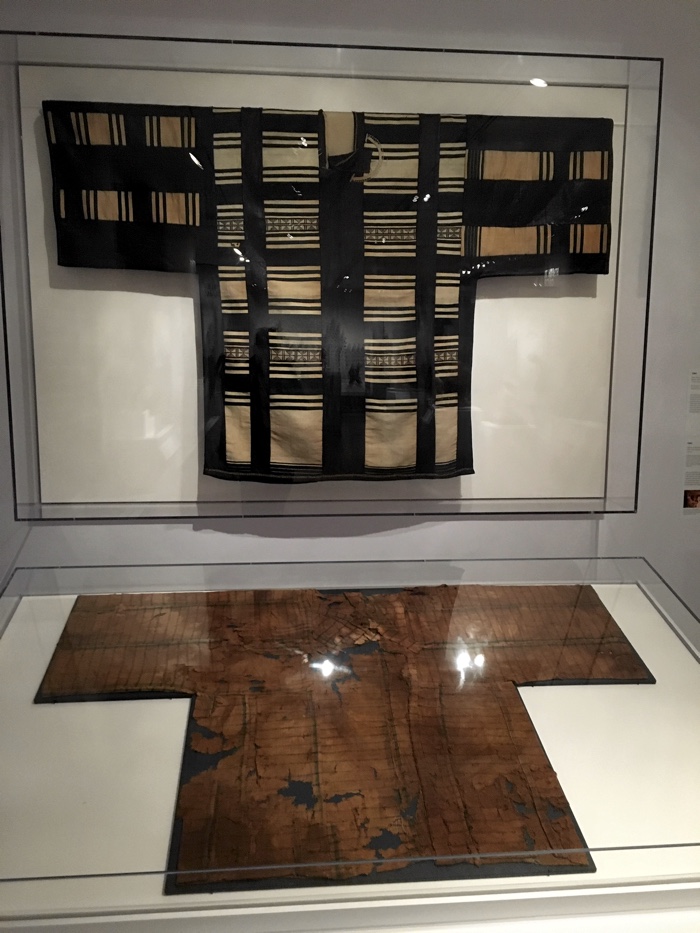
“Lomasa” from the late 18th century, early 19th century is listed as a genre of `untailored male luxury garments in cotton, silk and dye.’ This piece is defined by a lavish use of indigo dyed cotton accentuated with a flourish of dazzling embroidery. According to the exhibition notes, this specific garment was dyed by women, the cloth got it’s stitched detail from the male specialist using imported colored silk threads typical of the ancient Ghana Wagadu epic. Talismanic Tunics from the 19th century are also on display in cotton and leather, from the Mande people of West Africa. The Tellem civilization is represented by men’s tunics with wide sleeves, these garments are sewn together on traditional West African looms. They were produced in both straight bodied style, and a gored shape that flares outward. The fashion and design sensibility of the ancient textiles recovered from the Bandiagara caves is also found in several related tunics acquired in the 17th century by wealth Ulm merchant Christoph Weickmann.
THE REGION
To get a full understanding of the Sahel, where all of the items on display came from, know that beginning from the first millennium, Africa’s western Sahel – a vast area on the southern edge of the Sahara desert, spanning from what is known today as Senegal, Mali, Mauritania and Niger, was the birthplace of a succession of influential states fueled by regional and global trade networks. A massive carved `Megalith’ stone sculpture from Senegal’s Kaopack region, from the 8th or 9th century, greet guests upon entering the gallery. Several objects from the Dagon peoples and Songhai empires stands besides artifacs from the ancient Mali trade and Islam, the Fulani and the Umarian Conquest. Moving into an adjoining gallery, a short film chronicles the building of a temple in Mali, nearby an intricately layered saddle for a camel made from leather, wood, copper and dye from the Tuareg peoples of Algeria. There are historic African gems at every step of the way as you walk through this exhibit, including, a grand introduction of the Sahelian Narratives Past and Present.
A CELEBRATION
At the media preview which actually launched the opening of Sahel at the MET, Max Hollien Director of the MET was joined by Professor Mamadou Diouf and the exhibit’s curator Alisa La Gamma for remarks, followed by a performance by Master Kora Player Yacouba Sissoko and his trio. Mr Hollien said: “This exhibition celebrates the extraordinary – though relatively unfamiliar, cultural traditions of the western Sahel…We are deeply grateful to our colleagues around the world, especially in the Sahel for lending the works of art that would bring this fascinating history to life.” Professor Mamadou Diouf, Leitner Family Professor of African History at Columbia University, who is a key advisor to this exhibition said: “There is so much focus on challenges that the Sahel faces today: increacing aesertification due to climate change, security threats from extremists, and perilous desert and ocean crossings to Eurpoe faced by migrants. This presentation provides an opportunity to wonder at the Sahel’s legacy of creative ingenuity and resilience going back millenia.”
THE CURATORS VIEWS
Sahel: Art and Empires on the Shores of the Sahara, was described by The New York Times as “A Wonder to Behold,” will be on display through May 10, 2020. The exhibition’s curator Alicia LaGamma, Ceil & Michael E. Pulitzer Curator in Charge of Arts of Africa, Oceania, and the Americas, reflecting on the creative dynamism of this exhibiton noted: “The immersive experience of this presentation will take you on a journey that underscores a many-layered past. A sence of continuity in the visualization of ideas of power and leadership will be embodied in a cavalcade of equestrain figures produced by regional artists over the course of the last millennium, led by commanding Bura examples from present day Niger, showcasing a breathtaking amount of detail down to the figure’s adornment of stacked bracelets and chokers and his mount’s harness.”