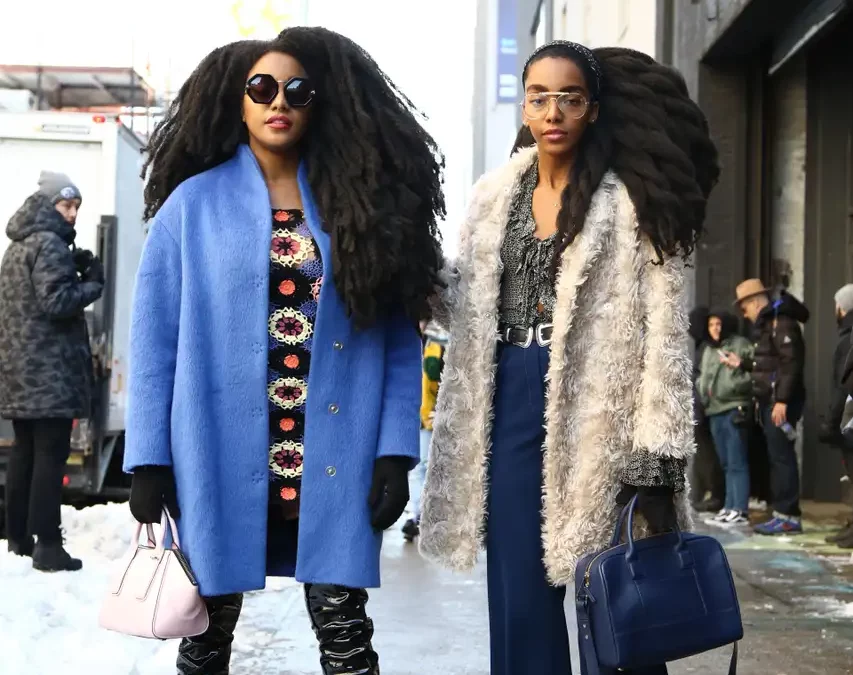
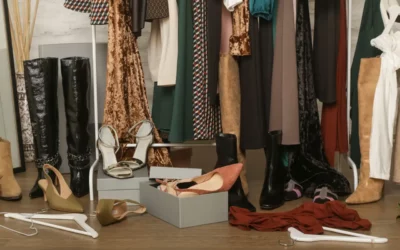
As consumers, we often don’t think about the impact our purchases have on the environment. The average American tosses 82 pounds of textiles each year. These fabrics ultimately end up in landfills, where they will take decades to decompose. You may think that you’re not able to make a difference with your clothing choices, but with just a few small changes a sustainable shopping mindset can have a positive impact on our planet. Keep reading to see how you can build a more sustainable and fashionable wardrobe.
The rule of 30 wears
The founder of Eco-Age, Livia Firth, started the #30Wears campaign to encourage consumers to only purchase an item if they are sure that they’ll wear it. Before buying an item, think to yourself, “Will I wear this a minimum of 30 times?” If the answer is yes, then buy it. If the answer is no, do not buy the item. You’ll be surprised at how many times you find yourself saying no.
Rather than buying statement pieces you know you’re only going to wear for one occasion, invest in something with more longevity that you can continue to wear for other occasions. Opt for more versatile pieces that you can style in different ways instead of one item that you know will no longer be in style months down the road.
If you’re attending a special event that requires formal attire, consider using a service like Rent the Runway rather than investing in an expensive gown you’ll only wear once. Rent a Runway is a great option for you to rent designer pieces for any occasion at an affordable price. They will even send you two different sizes of whichever dress you choose to ensure that it fits properly for your event. Once you’re done with the item, you can return it for free and won’t feel guilty for purchasing something you’ll never wear again.
Be more informed
It can be difficult to know where to start and where to shop when trying to build a more ethical and sustainable wardrobe. The good thing is, that there are more sustainable brands than ever before and information is easily accessible. If you’re more concerned with the ethics of your clothing products, look for brands that are transparent about their labor policies and pay fair living wages to their employees. Be sure to also check the product description or tag for the clothing’s country of origin. A good rule of thumb is to buy from countries with strict labor laws such as the United States or the United Kingdom.
If you’re more concerned about the environmental effects of fabric production, look for items made from natural fibers such as organic cotton, hemp, or recycled materials. These materials require less water, resources, and chemicals to produce clothing.
Choose used
Every new item of clothing made has a substantial carbon footprint attached to its manufacturing, but the amount of new energy needed to produce secondhand clothing is zero. Shopping secondhand plays a huge role in making fashion more sustainable and reducing the global footprint. It may seem overwhelming at first, but thrifting isn’t as difficult as you’d think.
The key to shopping at secondhand stores is to know what you’re looking for. To avoid making impulse purchases, create a shopping list of items that you want and need prior to going to your local thrift store. Rather than focusing on the current season or events you have coming up, make sure your list covers the entire year and fills any holes you may have in your wardrobe. If you’re in need of a winter jacket and find the perfect one in the spring, don’t pass it up just because it will be a while before you get to wear it.
If you find that you’re struggling to find items on your list or just don’t have the time to search through racks, consider online thrift stores like thredUP. Their user-friendly site makes it easy to shop by brand and category. Not to mention they have a variety of clothing from high-quality brands like Madewell. At affordable prices, you’ll be able to fill your wardrobe with timeless, quality pieces.
Buy clothing you can wear year-round
A good rule to follow when building a more sustainable wardrobe is to only buy items that you know you’ll be able to wear all year round. If you live in a cold and gloomy city, don’t splurge on a brand new summer wardrobe each year. You most likely will not pass the 30 wears test. Rather, purchase pieces that you will be able to wear throughout multiple seasons like jeans, t-shirts, casual dresses, coats, and jackets.
If you do end up splurging on seasonal items like tank tops and skirts, try layering your pieces so you can wear them in the cooler months as well by adding a cardigan or leggings to your look. This will make for a much more sustainable wardrobe.
Adjust how you spend your money
This goes back to the rule of 30 years. To build a more sustainable wardrobe, it’s important to adjust what you splurge on. Instead of spending your savings on a cute pair of shoes or jacket you’ll only wear every once in a while, spend your investment money on things that you’ll wear daily. It can be easy to look at an expensive pair of jeans and think, “I would never spend that much money on denim.” However, it’s important to remind yourself that you may buy only a few pairs of jeans this year or just one item this month. Make sure the item you’re purchasing is something that you can wear repeatedly and that will last throughout the many seasons and even years. After some time putting these steps into practice, you will have a high-quality, fashionable, and sustainable wardrobe to be proud of.
Streamline your closet
Creating a sustainable wardrobe doesn’t mean that you should start throwing out old or unworn clothes. Throwing clothes in the garbage after just a few wears’s not only promotes the fast fashion culture but also damages our environment.
Rather than polluting landfills with your unwanted clothes that will take decades to decompose, streamline your closet by separating your wardrobe into four piles: clothes you love, clothes you may wear soon, clothes that you’d like more if they fit better, and clothing that you know you won’t ever wear again.
Once your clothes are separated into these four piles, go through piles two and three and take out anything that you decide you do not want to keep, and add the pieces to pile four. Once you’ve gathered your unwanted clothing, donate them to charity or a thrift store. This will extend the life of the clothing, preventing them from filling landfills. It also gives someone else the opportunity to repurpose your old pieces and continue the positive cycle of choosing used.
It’s important to start viewing our clothing as indispensable items that should be taken care of rather than being thrown away after one wear in order to leave our planet sustainable for future generations. With just a few small changes, you can build a wardrobe that is both fashionable and sustainable.