“Exploring the Different Ways Students Express Their Culture, Personality, Subcultures, Professional Goals, Social Beliefs, and Fashion Trends Through Fashion.”
Fashion and style allow us to express culture, music, emotions, and opinions. College students need to express themselves, but options are limited. Fashion is an outlet for their personality, mental health, and ideas.
This article breaks down how students use fashion to showcase different aspects of their identity, including their cultural heritage, personality traits, subcultures they identify with, professional goals, social beliefs, and fashion trends they follow.
Culture & Tradition:
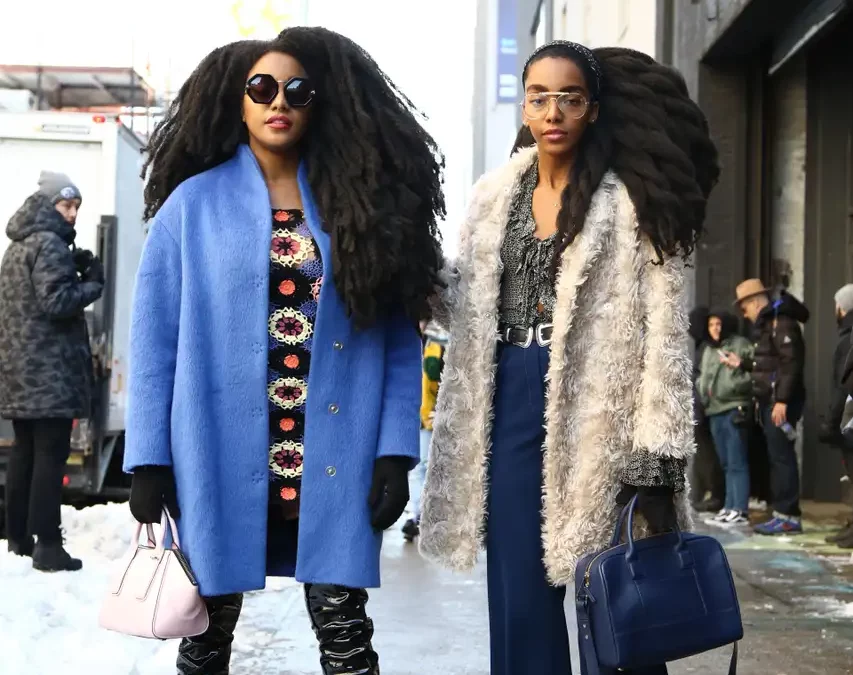
College is where students are exposed to diverse cultures and people from different countries. Hence, they often use fashion to express their cultural heritage, traditions, and appreciation of their background. This doesn’t necessarily require going overboard, as even minor details in accessories, tattoos, or hairstyles can effectively convey one’s message. By staying aware of current trends in the academic world, students can also showcase their cultural identity while looking stylish. If you struggle to write, you can receive help with personal statement writing reflecting your cultural background.
Personality:
Style can say a lot about a student’s personality. Different appearance elements such as colors, patterns, textures, clothing fitting, and symbols can emphasize their traits and give others a glimpse into who they are.
Subcultures:
Many students identify with specific subcultures, which are groups they support, enjoy the art they create, feel strongly about their ideology, and feel as if they belong to. These subcultures include environmental groups, music subcultures, social justice, gaming, LGBTQ+, and others. Style can help express this appreciation and feeling of belonging to these groups, whether as a form of support or a need to state their opinion loud and clear.
Professional Goals:
Students often dream of certain professions once they graduate from college. Their professional goals can be seen in their fashion choices, as they might adopt a particular style to feel closer to achieving their dreams. For example, law students may wear blouses, skirts, collared shirts, briefcases, and business dresses. In contrast, art students may adopt an eccentric or creatively expressive style resembling some artists they admire.
Social Statements:
Many students hold strong beliefs about specific social issues and actively participate in volunteer work and community initiatives to address them. Some students might even adopt a fashion style to highlight their beliefs further. This expression of social beliefs through fashion is often achieved by incorporating logos, slogans, symbols, or colors into their clothing. However, research indicates that 63% of students express concerns about the negative social implications of this fashion trend. For instance, some students may wear second-hand, recycled, or up-cycled clothing to express their concerns about the adverse effects of fast fashion.
Fashion Trends:
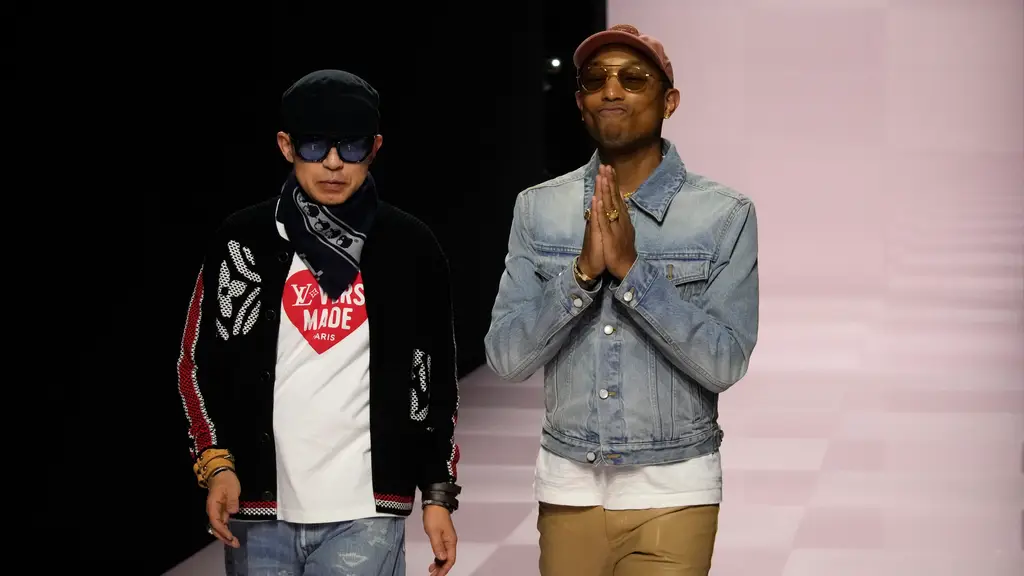
Finally, some students love following fashion trends and staying updated on the latest styles. Fashion lovers usually wear the popular styles that season or something that always stays in style. You can see here the typical rules of looking fashionable on campus if that interests you.
In conclusion, fashion and style are powerful tools that help students express themselves. Clothes, accessories, makeup, hairstyle, and all the other elements of one’s look can help convey what someone wants to share with the world. However, it’s important to remember that fashion is just one aspect of a person’s identity, and we should not judge others solely on their appearance. If you want to know more about someone, approach them in person instead of making assumptions based on their style.