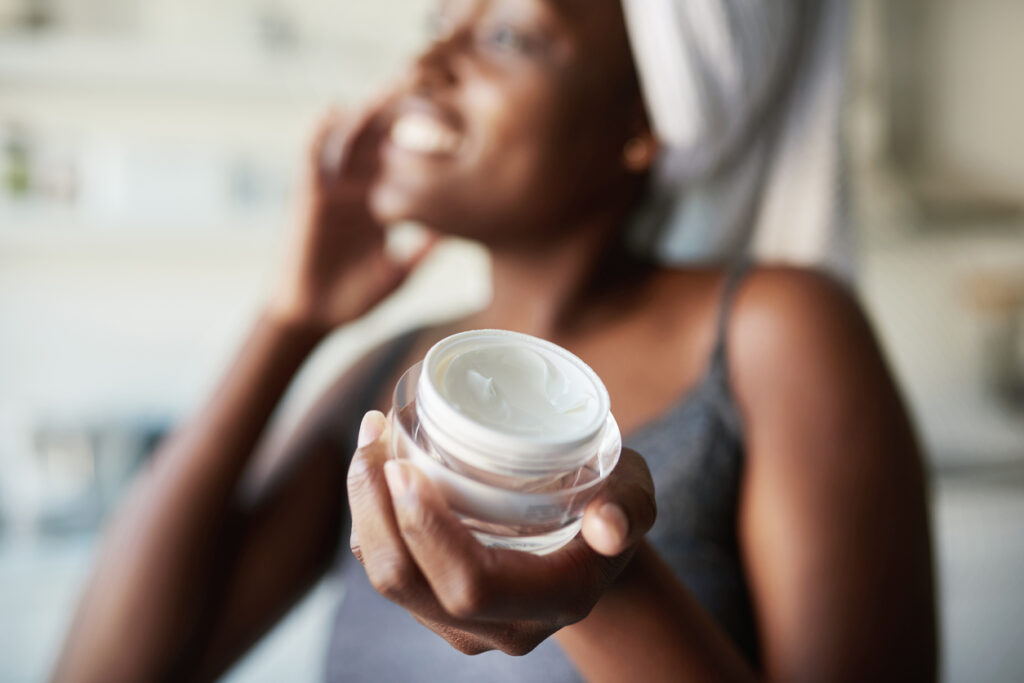
Prepare your skin for the shift in seasons.
Sticking to the same products daily can be tempting once you’ve nailed down the perfect skincare routine. However, a shift in the seasons may mean that you should consider changing what you apply to your face every day if you want your skin to look its best.
“As the weather transitions from winter to spring and summer, it’s essential to adjust your skincare routine to accommodate the changing environmental factors and the needs of your skin,” says Dr Chandni Rajani, advanced aesthetics doctor and general practitioner.
If you have specific skincare concerns like eczema or acne, you will most likely need to keep the bones of your routine the same. While trying out new things to address a specific problem can be beneficial, you don’t want to risk making the issue worse by introducing a load of new products that don’t work for you.
But if you can tell that the shift in seasons has left your skin looking worse than usual, here’s what you’ll want to consider changing for the warmer weather ahead.
Change your moisturizer.
“With rising temperatures and increased humidity, opt for a lighter, water-based moisturizer that hydrates without feeling heavy or greasy on the skin,” suggests Rajani. “Look for formulas with hyaluronic acid or glycerine to provide hydration without clogging pores.”
Ditch heavy serums
“Swap out heavy creams and serums for lighter formulations such as gels or lotions. These are more suitable for warm weather as they absorb quickly and won’t weigh down your skin,” says Rajani.
Lather on SPF

Temperature changes are most likely to impact how you alter your skincare routine, but how much time you spend outdoors and in the sun is also a hugely important factor to consider.
“Sun protection is crucial year-round, but it’s especially important during spring and summer when UV rays are stronger. Use a broad-spectrum sunscreen with at least SPF 30 daily, and reapply every two hours if you’re outdoors for extended periods,” says Rajani.
Avoid over-cleansing
“With increased sweat and oil production in warmer weather, you may need to cleanse your skin more frequently,” notes Rajani. “However, avoid over-cleansing, which can strip the skin of essential oils and disrupt the moisture barrier.”
There are countless hydrating cleansers on the market, which you should choose to avoid removing too much oil. For best results, opt for a non-foaming oil- or water-based cleanser.
Protect against environmental stressors.

“Incorporate antioxidant-rich products into your routine to combat free radical damage from sun exposure,” says Rajani. “Vitamin C serums, for example, can help brighten the skin, even out tone, and protect against environmental stressors.”
These serums can also help prevent non-hormonal breakouts if you have acne-prone skin. If this is your first time trying vitamin C or something similar, just be sure not to go for anything too intense.
“Daily environmental protection is essential for healthy, beautiful skin,” reaffirms Dr Mazin Al-Khafaji, leading dermatologist and authority of Chinese medicine. “Use protective products during in the morning, and regenerating products rich with precious actives in the evening.”
Exfoliate regularly
“Regular exfoliation helps remove dead skin cells, unclog pores, and promote cell turnover, resulting in a smoother complexion,” says Rajani. Although you will want to be exfoliating year-round, the extra suncream and oils on your skin throughout spring and summer will likely mean you will want to be more diligent with your exfoliating routine.
“Choose exfoliants suitable for your skin type, such as gentle chemical exfoliants like AHAs or BHAs,” she suggests. Liquid exfoliants are the best type, as they won’t cause any harsh abrasion the way physical scrubs can.
Stay hydrated

This last tip is arguably the most important and will cost you nothing: “Stay hydrated by drinking plenty of water throughout the day. Hydration from within complements topical skincare, keeping your skin plump and healthy-looking,” says Rajani.
You will likely be sweating more throughout spring and summer, so you must be extra cautious of your hydration levels – especially on holiday when you are in the sun all day.
However, “it is best to keep your skincare routine simple so it can fit into your lifestyle easily,” says Al-Khafaji. Although it can be tempting to invest in the latest trending product or treatment, you don’t want to start using anything that you won’t be able to keep up with.
Most skincare products take at least a couple of months to start working their magic, so there is no point in buying anything that you think you won’t be able to commit to using or doing regularly for an extended period.